
In this article
You have come home after a knee or hip replacement. The hospital team has gone over the plan with you, but now the exercises, the stairs and the questions are yours to handle, in your own house. Many families in Dhaka face this. Home physiotherapy after surgery can help you keep going safely, as long as it works alongside your surgeon's instructions and never replaces them.
#What does home physiotherapy after surgery involve?
Home physiotherapy after surgery means a physiotherapist visits you at home to guide your recovery. It begins with a talk about your operation, your surgeon's instructions and your health. The physiotherapist then checks how you stand, walk and move, and builds a simple plan around what you can do today.
The plan is only a support for your surgeon's plan. Your surgeon decides which movements are safe for your type of operation. The physiotherapist helps you carry that plan out. Read more about a typical visit in what happens in a home physiotherapy visit.
#Knee replacement rehab at home: what the early weeks look like
Early movement matters after a knee replacement. The NHS says that following your exercises early in recovery helps long-term strength and movement in the knee. In practice, the early weeks usually focus on a few simple things:
- Bending and straightening the knee gently, as your surgeon allows.
- Waking up the thigh muscles so the knee feels steady.
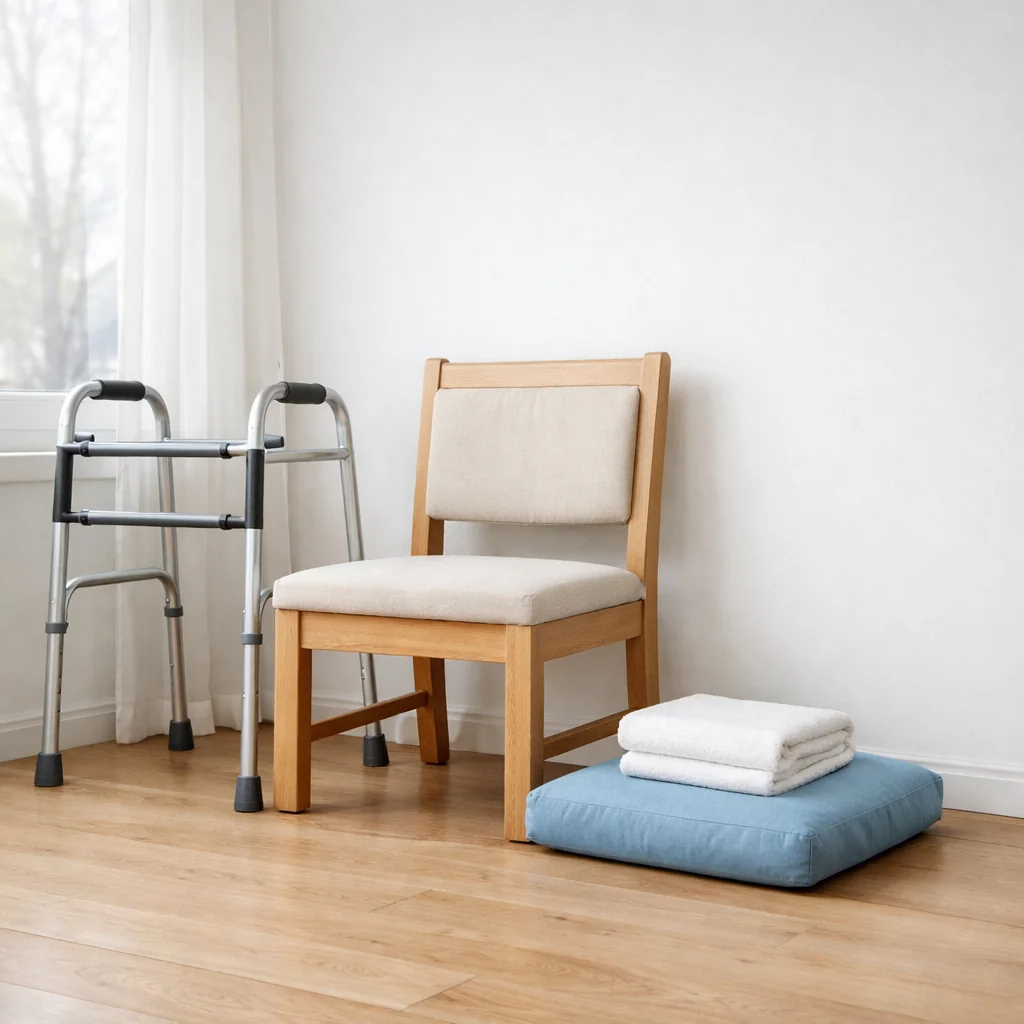
- Standing and walking with the aid you were given, such as a walker or crutches.
- Practising steps and stairs only when your care team says you are ready.
Some pain and swelling are expected. A physiotherapist can show you how to move so the pain stays manageable. Your surgeon decides about pain medicine, so follow what was prescribed.
#Hip replacement recovery at home: precautions depend on your surgery
After a hip replacement, your surgeon may give you rules to protect the new joint, such as limits on how far you bend the hip or whether you cross your legs. These rules are not the same for everyone. They depend on how the operation was done. Follow the list your surgeon gave you, and ask your physiotherapist to work within it.
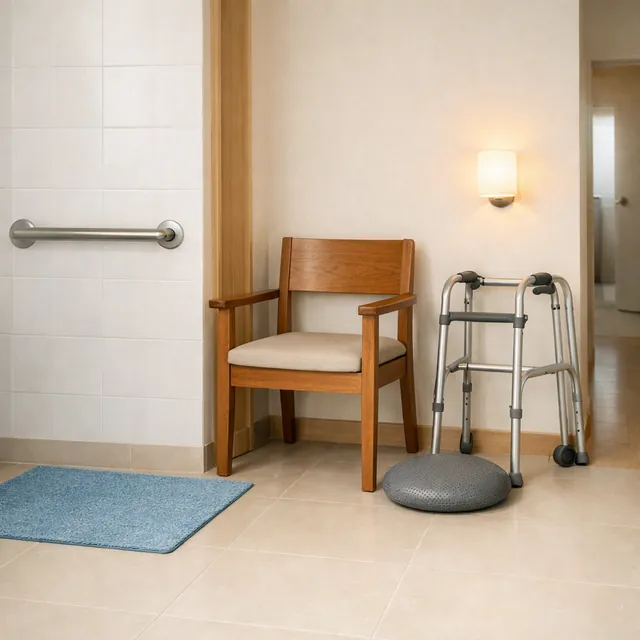
Low chairs, beds and toilet seats can make these rules harder to follow. A physiotherapist can look at your home and suggest simple changes, such as a higher seat or a clear path from bed to bathroom.
#Warning signs after joint replacement surgery
Joint replacement is common and most people recover well. Still, problems can happen, and they need quick attention. Medical sources such as the NHS and MedlinePlus list these signs:
- Possible blood clot in the leg: swelling, pain, warmth or redness in one leg or calf, away from the wound.
- Possible clot in the lung: chest pain or sudden shortness of breath. This is an emergency. Call 999.
- Possible wound infection: redness, increasing pain, or fluid coming from the wound, or a fever.
- Pain that is getting worse instead of slowly easing, or pain that your prescribed medicine does not control.
- After a hip operation: a feeling that the hip has slipped out of place, or being unable to move or stand on that side.
- A fall, or any new injury to the operated leg.
If your physiotherapist sees any of these during a visit, they will stop the session and send you back to your surgeon. They do not treat these at home.
#Keeping the home safe while you recover
A few simple steps lower the chance of a fall, which is the last thing you need in this period:
- Clear the floor of loose mats, wires and wet patches.
- Keep the things you use often at waist height.
- Light the path to the bathroom at night.
- Wear closed, firm footwear indoors, not loose slippers.
- Ask a family member to be nearby when you first try stairs or the bathroom.
For more on this, see our home safety checklist for older parents.
#When should home physiotherapy start?
This is your surgeon's decision. Some people begin the day after the operation in hospital and carry on at home after discharge. Others wait for the first check-up. Ask your surgeon before you book anything. A physiotherapist will also ask for your discharge notes so the plan matches your operation.
#What to do next
If you or a family member is coming home after knee or hip surgery in Dhaka, ask your surgeon which movements are allowed. Then talk to our team about home physiotherapy, available for male and female patients across Dhaka City. You can reach Salamah Care on 01327-808822 or through our contact page. Tell us about the operation and the surgeon's instructions, and we will explain how a visit would work.
Frequently asked questions
Can I do physiotherapy at home after knee replacement?
Many people continue their exercises at home once the surgeon allows it. A home physiotherapist works within your surgeon's instructions. Ask your surgeon first, and share your discharge notes.
Is knee replacement rehab at home safe?
It can be, when it follows the surgeon's plan and the physiotherapist stops at any warning sign. Leg swelling, chest pain, breathlessness, a leaking wound or fever need medical care, not more exercise.
Do I need to follow hip precautions after hip replacement?
Often yes, but the rules depend on how your operation was done. Follow the list your surgeon gave you, and ask your physiotherapist to work within it.
When should I call my surgeon instead of waiting?
Call the same day for swelling or pain in one calf, a red or leaking wound, fever, rising pain or a fall. Call 999 for chest pain or sudden shortness of breath.
Sources & further reading
Medical disclaimer. This article is for general information and does not replace advice from a qualified doctor. If you have symptoms, pain or a health concern, please see a clinician. In an emergency call 999.
Need home physiotherapy in Dhaka?
Talk to the Salamah Care team in Mohammadpur. We will listen, explain your options clearly and guide you to the right care.