
In this article
If someone in your family finds it hard to travel, you may wonder what a physiotherapist actually does in your home. Will they bring machines? Will the family have to prepare a room? Will it be a long, tiring visit? These are fair questions, and the answers are simple. This guide explains what happens in a home physiotherapy visit in Dhaka, step by step, so that you know what to expect before you call.
#What is home physiotherapy, and who is it for?
Home physiotherapy means a qualified physiotherapist comes to your house, checks how you move, and treats you there. The NHS describes physiotherapy as a way to help restore movement and function when someone is affected by injury, illness or ageing (NHS: physiotherapy).
A home visit often suits people for whom the road itself is the problem:
- Older adults who tire easily or cannot manage stairs
- People recovering from a stroke or an operation
- People with long-standing back, neck or joint pain who cannot sit in a car for long
- Patients who are better off resting at home, as their doctor advises
Salamah Care offers this service for male and female patients across Dhaka City. You can read the details on our home physiotherapy page.
#What happens during the first physiotherapy home service visit?
The first visit is mostly about listening and looking. It is not a rushed treatment. A physiotherapist at home in Dhaka will usually do these things, in this order.
- Ask about the problem. Where does it hurt? When did it start? What makes it better or worse? What can you not do now that you could do before?
- Ask about your health. Past illnesses, operations, medicines and your doctor's advice. Please keep your reports and prescriptions ready.
- Check how you move. The physiotherapist may watch you stand, sit, walk and turn, and gently test strength, stiffness and balance.
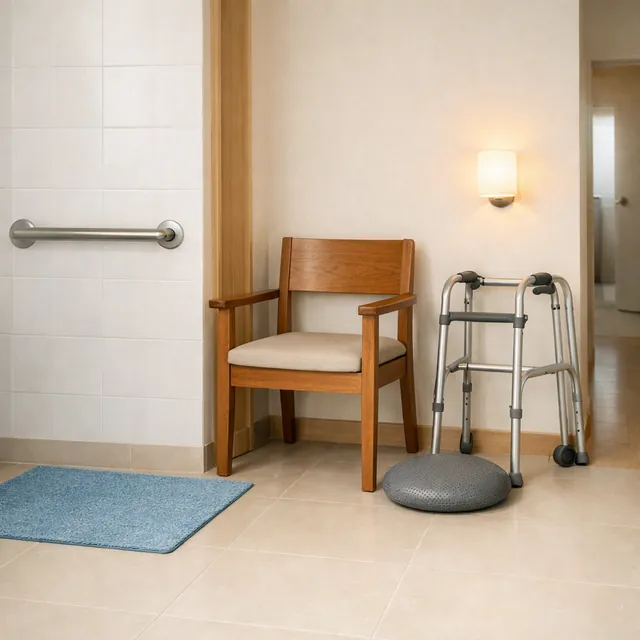
- Look at your home. A bed that is too low, a slippery bathroom floor or a steep step can all affect recovery. The physiotherapist sees these things on the spot, which is a real advantage of a home visit.
- Agree on goals. Goals should be small and clear, such as walking to the door without help or sitting comfortably for a meal.
Treatment may begin on the first day if it is safe, or the physiotherapist may start with the assessment only. Either is normal.
#What equipment does a physiotherapist bring?
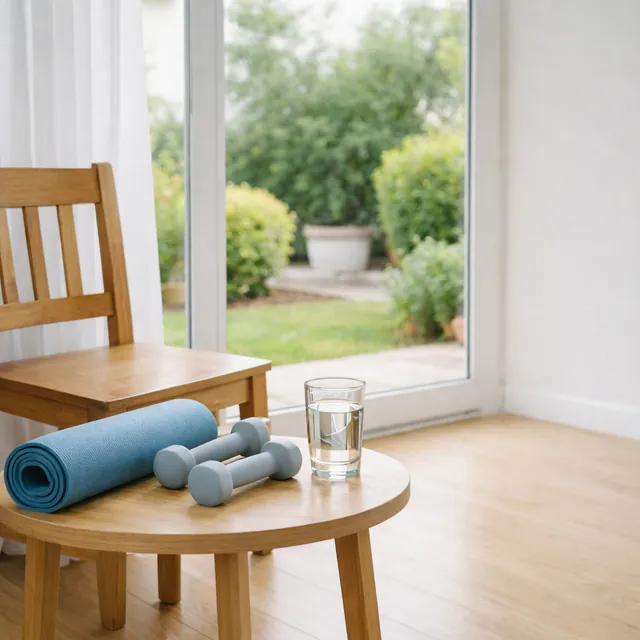
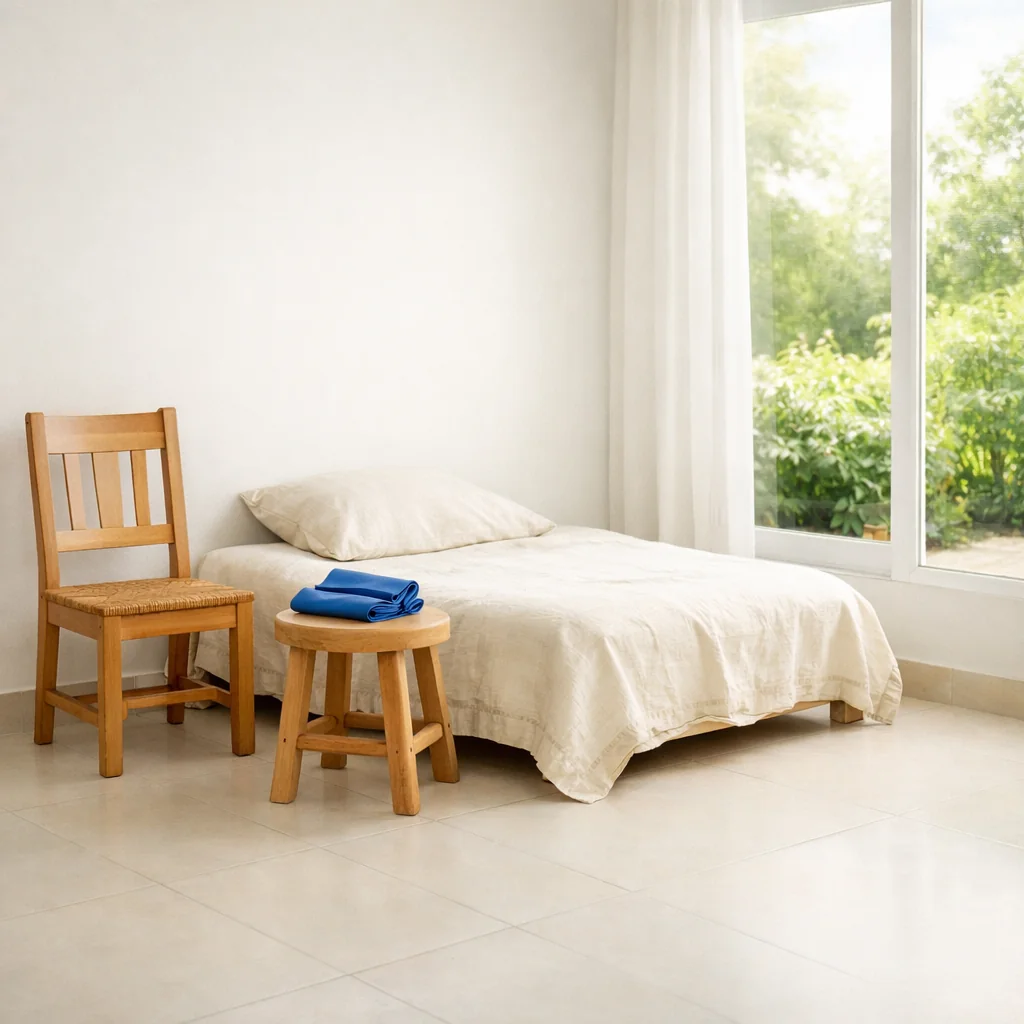
Most of the work is done with hands and simple exercises, so you do not need to buy anything or clear a large space. A bed, a sturdy chair and a little floor space are usually enough. Depending on the plan, the physiotherapist may also use:
- Light exercise aids, such as bands or small weights
- Support for walking practice, if one is suitable
- Hands-on techniques to ease stiff joints and tight muscles
Which of these is used depends on the person. Please do not buy equipment before the assessment, because the right choice depends on your condition.
#How does the treatment plan work?
After the assessment, the physiotherapist explains what they found in plain words and suggests a plan. The plan covers what will be done in each visit, the exercises to repeat between visits, and what to avoid for now. How many visits you need depends on your problem and your progress. Nobody can promise a result in a fixed time, and you should be careful of anyone who does.
Ask the physiotherapist to show each exercise once, slowly, and to tell you how many times to do it and when to stop. Write it down. Doing the right exercise a little every day is better than doing too much on one day.
#How can the family help?
The family does not need to become therapists. A few simple things make a visit work better:
- Keep the room clean, lit and quiet, with a sturdy chair ready
- Have the doctor's papers and medicine list within reach
- Stay nearby during the visit so you can learn the exercises
- Encourage the patient to practise between visits, without pushing
- Note any pain, dizziness or new problem and tell the physiotherapist at the next visit
If you want to prepare the home for safety too, our guide on fall prevention for elderly parents lists easy changes. For stroke recovery, read home physiotherapy after a stroke.
#What affects the fee for a home visit?
We do not quote a fee in an article, because it depends on the person's needs. Things that usually matter include the problem being treated, how often visits are needed, and where in Dhaka City the home is. Before you book, ask these questions: What will the first visit include? How many visits are likely? Is the fee for each visit or for a set of visits? You will get a clear answer when you call 01327-808822.
#When should you not wait for a physiotherapist?
Also tell your doctor if pain keeps growing, if a leg becomes swollen and painful, or if you have a fever with new pain. A physiotherapist will stop treatment and refer you if something does not look right.
#What should you do next?
If you are thinking about a home visit, start with a phone call. Tell us about the problem in a few simple sentences, and we will explain how the service works for your family. You can call 01327-808822 or send a message on our contact page. Our centre is in Mohammadpur, and home visits cover Dhaka City.
Frequently asked questions
What happens in the first home physiotherapy visit?
The physiotherapist asks about your problem and health history, checks how you move and looks at the home for safety. Treatment may start the same day if it is safe. A plan and small goals are then agreed with you.
Do I need to buy any equipment before the visit?
No. A bed, a sturdy chair and a little floor space are usually enough. Please wait for the assessment before buying anything, because the right choice depends on your condition.
Can a physiotherapist at home in Dhaka treat both men and women?
Yes. Home physiotherapy is available for male and female patients. A same-gender practitioner can be requested when you book.
How many home visits will I need?
It depends on the problem and how you progress. The physiotherapist will suggest a schedule after the assessment and review it as you improve. No one can promise a result in a fixed time.
Does the physiotherapist replace my doctor?
No. Physiotherapy works alongside medical care. If your condition is new or unclear, see a doctor first and share the advice with your physiotherapist.
Sources & further reading
Medical disclaimer. This article is for general information and does not replace advice from a qualified doctor. If you have symptoms, pain or a health concern, please see a clinician. In an emergency call 999.
Need home physiotherapy in Dhaka?
Talk to the Salamah Care team in Mohammadpur. We will listen, explain your options clearly and guide you to the right care.