

In this article
When a loved one comes home after a stroke, the first days can feel heavy. The hospital team is no longer beside you, the stairs look steeper, and every small task raises a question. You are not alone in this. Many families in Dhaka are in the same place, and a clear plan makes it much easier.
#Why does rehabilitation continue at home?
A stroke happens when blood flow to part of the brain is interrupted. Depending on the area affected, it can cause weakness on one side, balance problems, trouble speaking or tiredness. The NHS explains that recovery is often slow and that rehabilitation is a big part of it, with progress that may continue over months and sometimes longer (NHS: stroke recovery).
The brain can adapt through repeated, meaningful practice. That is why physiotherapy does not end when the hospital stay ends. Practising movement in the place where life actually happens, such as the bedroom, bathroom and living room, helps skills carry over into daily life.
Home physiotherapy brings a qualified physiotherapist to the patient. This means less tiring travel, no waiting rooms, and exercises that fit the real layout of your home. Male and female patients can both be seen at home. You can read more about the service on our home physiotherapy page.
#What does a home physiotherapy visit usually focus on?
A physiotherapist first assesses how the person moves, balances and walks, and asks about the doctor's advice and any limits. A plan is then built around goals that matter to the family. Typical areas include:
- Moving safely in bed, sitting up and standing
- Strength and control in the affected arm and leg
- Balance and steady walking, with an aid if needed
- Stretching to reduce stiffness
- Safe practice of daily tasks such as getting to the toilet
The plan should be personal. Please do not copy exercises from the internet or from another patient, because the right movements depend on the type of stroke, other health conditions and the doctor's instructions.
#How can the family help every day?
Your role is not to be the therapist. It is to make practice easy, safe and encouraging.
- Build a simple routine. Short sessions at similar times, with rest in between, are easier than one long effort. Tiredness is common after stroke.
- Do with, not for. Let your loved one try tasks first, with you close by. Doing everything for them can slow independence.
- Repeat what the physiotherapist teaches. Ask them to show you each exercise, how many times, and what to stop for.
- Praise small wins. Standing a little longer or lifting an arm a bit higher is real progress.
- Share the load. Caring is tiring. Let other relatives take turns so no one burns out.
#How do you make the home safer?
Falls are a real worry during recovery. A few simple changes reduce the risk:
- Clear walkways of loose wires, mats and clutter
- Use non-slip mats in the bathroom and a stable chair for washing
- Keep light switches, water and needed items within easy reach
- Make sure there is good lighting at night on the route to the toilet
- Wear flat, closed, non-slip footwear indoors
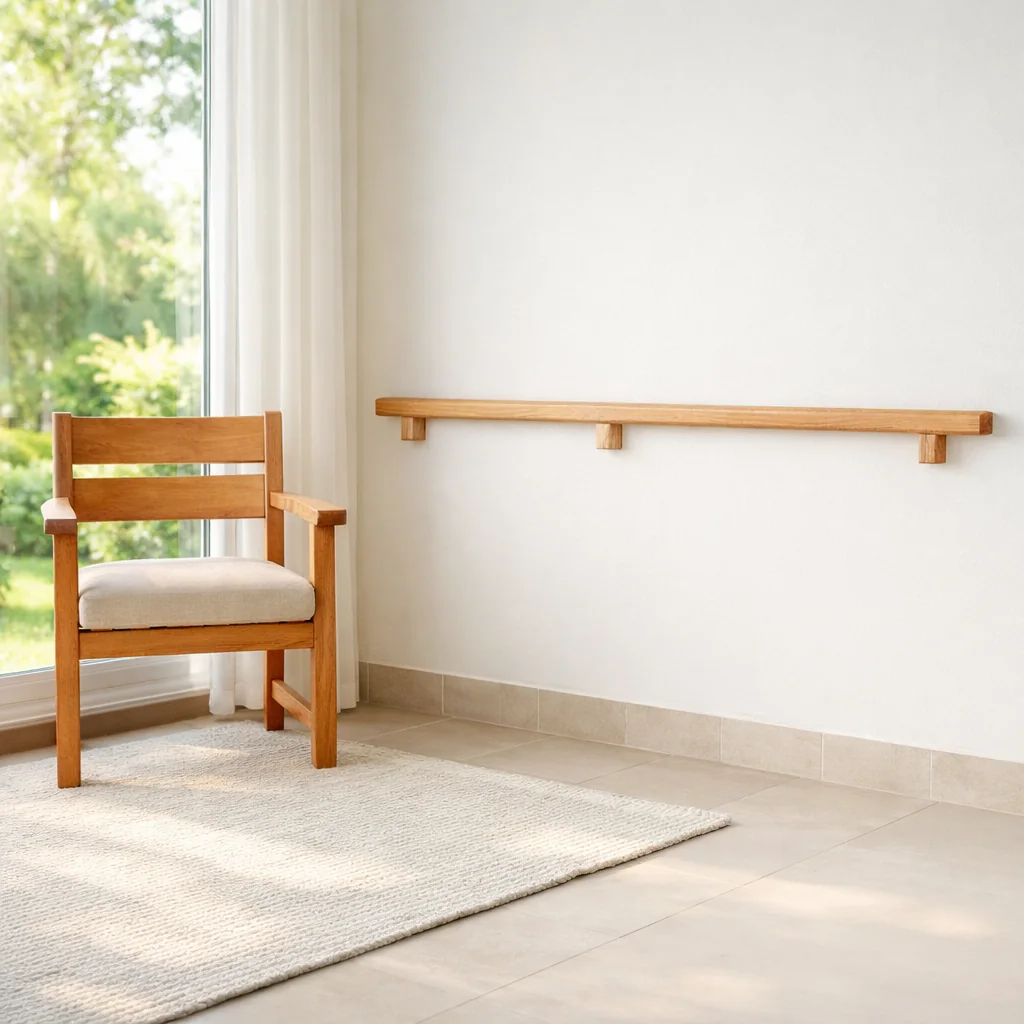
- Ask the physiotherapist whether a walking aid or support rail is suitable
Never pull a person up by the weak arm, because the shoulder can be injured. Ask the physiotherapist to teach you safe ways to help someone stand or move.
#What are realistic goals and what about mood?
Every recovery is different. Some people regain a great deal of movement; others adapt to lasting changes. Instead of comparing with other families, set small goals for the next week: sit unaided for ten minutes, walk to the door with support, or button a shirt.
Feeling low, frustrated or anxious is common after stroke, for the patient and the family. Patience, kind words, regular prayer and company can all help. If sadness or withdrawal lasts, tell the doctor, because it can be treated.
#When should you call a doctor or go to hospital?
The NHS describes the main signs of a stroke as sudden weakness or drooping of the face, weakness in an arm, and slurred or confused speech (NHS: stroke symptoms). If you notice any new sign like this, go to the nearest emergency department immediately, even if it passes quickly. Also seek urgent care for:
- A sudden severe headache
- New confusion, vision loss or trouble swallowing
- A fall with injury
- Chest pain or difficulty breathing
- Fever, new pain or swelling in a leg
#What to do next
If your family needs help starting safe rehabilitation at home, Salamah Care offers home physiotherapy in Mohammadpur and nearby areas of Dhaka for male and female patients. Our team can discuss the doctor's advice and the home setup with you. You can contact us or call 01327-808822 to ask about a home visit. If back or posture strain is affecting the caregiver, you may also find our guide on desk job back pain habits useful.
Frequently asked questions
When can home physiotherapy start after a stroke?
This depends on the patient's condition, so follow the hospital doctor's advice. Many people continue rehabilitation at home once they are medically stable and discharged. A physiotherapist will assess before starting.
How often are home physiotherapy sessions needed?
It varies with the person's needs and goals. The physiotherapist will suggest a schedule and show the family safe exercises to repeat between visits.
Can family members do the exercises without a physiotherapist?
Only the ones a physiotherapist has taught you. Wrong movements or too much effort can cause pain or falls, so ask for a clear demonstration first.
Is physiotherapy a cure for stroke?
No. It supports movement, balance and independence, but results differ for each person. Medical care from the doctor remains essential.
Sources & further reading
Medical disclaimer. This article is for general information and does not replace advice from a qualified doctor. If you have symptoms, pain or a health concern, please see a clinician. In an emergency call 999.
Need home physiotherapy in Dhaka?
Talk to the Salamah Care team in Mohammadpur. We will listen, explain your options clearly and guide you to the right care.