
In this article
Hijama is a Sunnah-based practice, and many families want to try it. But wet hijama breaks the skin. So before you book, one question matters more than any other: is this place clean and is the practitioner trained?
This checklist from the Salamah Care Clinical Team in Mohammadpur is simple. You can use it with any hijama provider, including us. If a place cannot answer these points, do not book.
#Why does hygiene matter so much in hijama?
In wet hijama, shallow cuts are made so a small amount of blood is drawn. Anything that touches the skin must therefore be clean. Reused blades or cups that are not properly sterilised can pass infection from one person to the next. Blood-borne viruses such as hepatitis B can spread through contact with infected blood, as the WHO fact sheet on hepatitis B explains.
Serious problems are rare. But they are real. A medical journal has reported a case of a serious bacterial infection after wet cupping, and its authors asked for high hygiene standards even for healthy people. Good hygiene is not extra. It is the base of safe hijama.
#What should you check before you book?
Ask these questions on the phone or at your first visit. A good practitioner will not mind.
- Is every blade new and single-use? A used blade should never come near you.
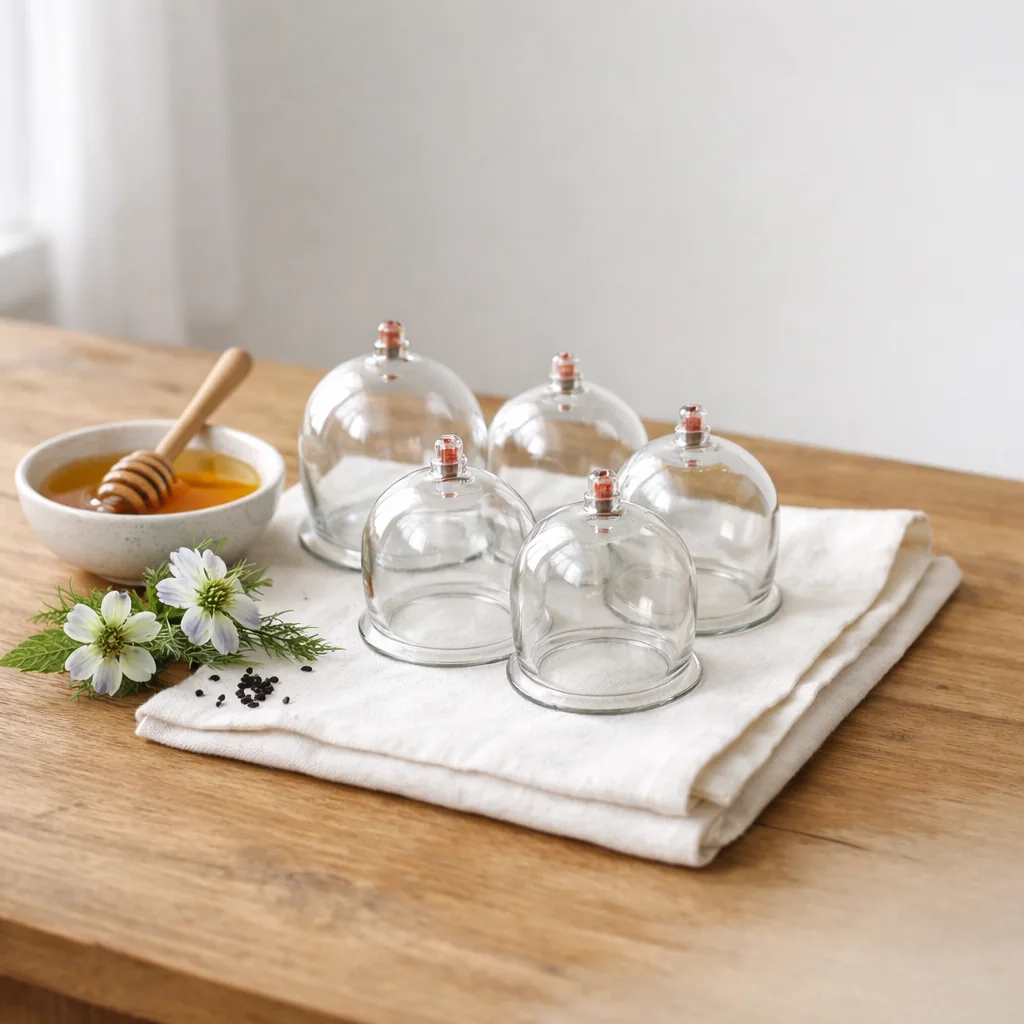
- Are the cups clean? Ask how they are cleaned between patients. Single-use cups or liners are safest.
- Does the practitioner wash their hands and wear fresh gloves?
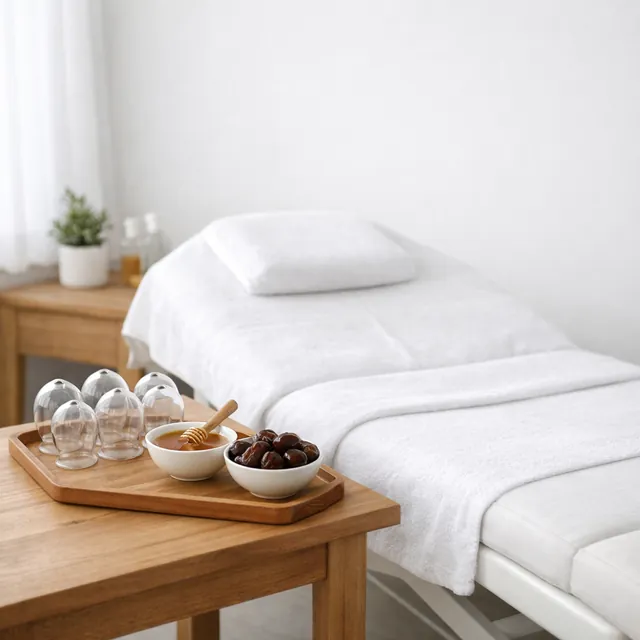
- Is the room clean and tidy? Look at the couch cover, the tray and the floor.
- Is used equipment thrown away safely? Blades should go into a closed sharps box.
- Does the practitioner ask about your health first? A good one asks about your medicines and your skin before anything else.
#What does a clean session look like from start to finish?
Here is what you should see, in order. First, the practitioner asks about your health, your medicines and your skin. Second, they wash their hands and put on fresh gloves. Third, the skin is cleaned before anything touches it. Fourth, a new blade comes out of its sealed pack. Fifth, the cups are placed, and any blood is wiped away with clean material that is thrown away afterwards. Last, the skin is cleaned and covered if needed, and you are given clear aftercare advice.
If any step is missing, ask why. A calm, honest answer is a good sign. A rushed or annoyed answer is not.
#Who should talk to a doctor first?
Hijama does not suit everyone. Speak to your doctor before booking if you:
- take blood-thinning medicine or have a bleeding problem,
- have a skin infection, an open wound or a skin condition near the area,
- have a fever or feel unwell,
- have a serious long-term illness such as a heart, kidney or blood-sugar problem,
- have a blood-borne infection, or are unsure of your status.
Tell the practitioner about all of these. Then follow what your doctor and the practitioner agree. Hijama is not a cure for any disease and does not replace medical care. The US National Center for Complementary and Integrative Health also says that the evidence for cupping is limited. See NCCIH on cupping.
#Why should you avoid home kits and untrained helpers?
Cups and blades bought for home use are easy to find. But a home kit does not make the skin sterile, and nobody checks your health first. A friend or relative who has "done it before" is not a trained practitioner. If you want hijama at home, choose a trained practitioner who brings clean, single-use equipment. Do not do it yourself.
#What signs after a session need a doctor?
Round marks from the cups are common and usually fade. But see a doctor the same day if you notice any of these:
- bleeding that does not stop with gentle pressure,
- redness, warmth, swelling, pus or pain that grows,
- fever or chills,
- fainting or severe dizziness.
Do not wait for these to settle by themselves.
#How can you book hijama with Salamah Care?
Salamah Care offers hijama therapy for male and female patients, at our chamber in Mohammadpur and as a home service. Ask us any question from the checklist above. We are glad to answer. You can also read what happens in a first visit in Hijama (Cupping) Therapy: What to Expect at Your First Session.
Call 01327-808822, message us on WhatsApp, or use our contact page.
Frequently asked questions
How do I know if the blade is new?
Ask to see it in its sealed pack and watch it opened in front of you. A good practitioner will do this without being asked.
Is dry cupping safer than wet hijama?
Dry cupping does not break the skin, so it carries less risk of blood-borne infection. Clean cups and a health check still matter. Ask the practitioner which method suits you.
Can I have hijama if I take blood thinners?
Speak to your doctor first. Blood thinners can make bleeding last longer, so the decision should not be made alone.
Is home hijama safe?
It can be, only if a trained practitioner brings clean, single-use equipment. Do not try it yourself or with a home kit.
Sources & further reading
Medical disclaimer. This article is for general information and does not replace advice from a qualified doctor. If you have symptoms, pain or a health concern, please see a clinician. In an emergency call 999.
Need hijama (cupping) therapy in Dhaka?
Talk to the Salamah Care team in Mohammadpur. We will listen, explain your options clearly and guide you to the right care.