
In this article
Most stomach illness in a home does not come from one big mistake. It comes from small gaps: hands that were not washed, a water pot with no lid, food left out for hours. The good news is that these gaps are easy to close. Winter is a good time to fix them, because diarrhoea in children tends to rise in the cooler months.
This guide gives a few plain habits for your family. It is calm advice, not news of an outbreak.
#Why does clean water at the source still make a child sick?
Water can be safe when it arrives and unsafe by the time it is drunk. WHO says water is often contaminated with germs from faeces during storage and handling at home. It also names unsafe water storage as an important risk factor for diarrhoea.
So the care does not end at the tap or the tube well. It continues in your kitchen. Think of the whole path: the tap, the pot, the glass, and the hand that holds it.
#When should the family wash hands with soap?
WHO lists hand washing with soap as a key way to prevent diarrhoea. Make it a fixed habit at these moments:
- After using the toilet, and after cleaning a child
- Before preparing food
- Before eating and before feeding a child
- After touching raw meat, fish or vegetables
- After coming home from outside
#How do we store and handle drinking water safely?
WHO notes that simply covering water storage containers can reduce faecal contamination of water in the home. A few simple rules follow from this:
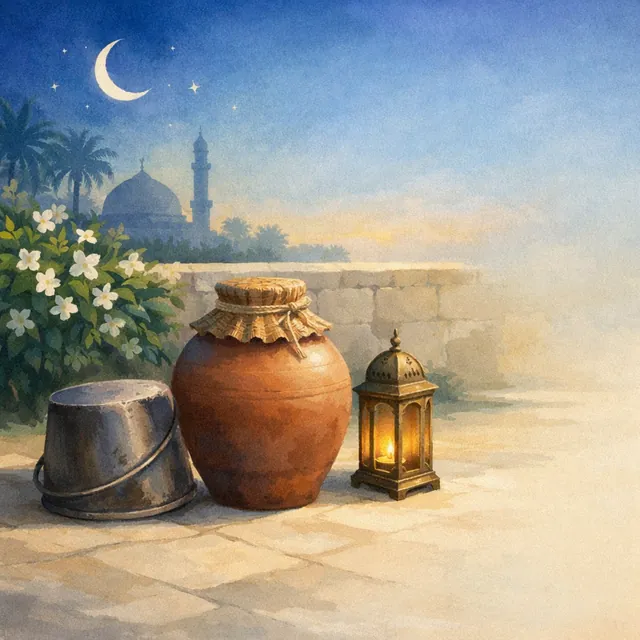
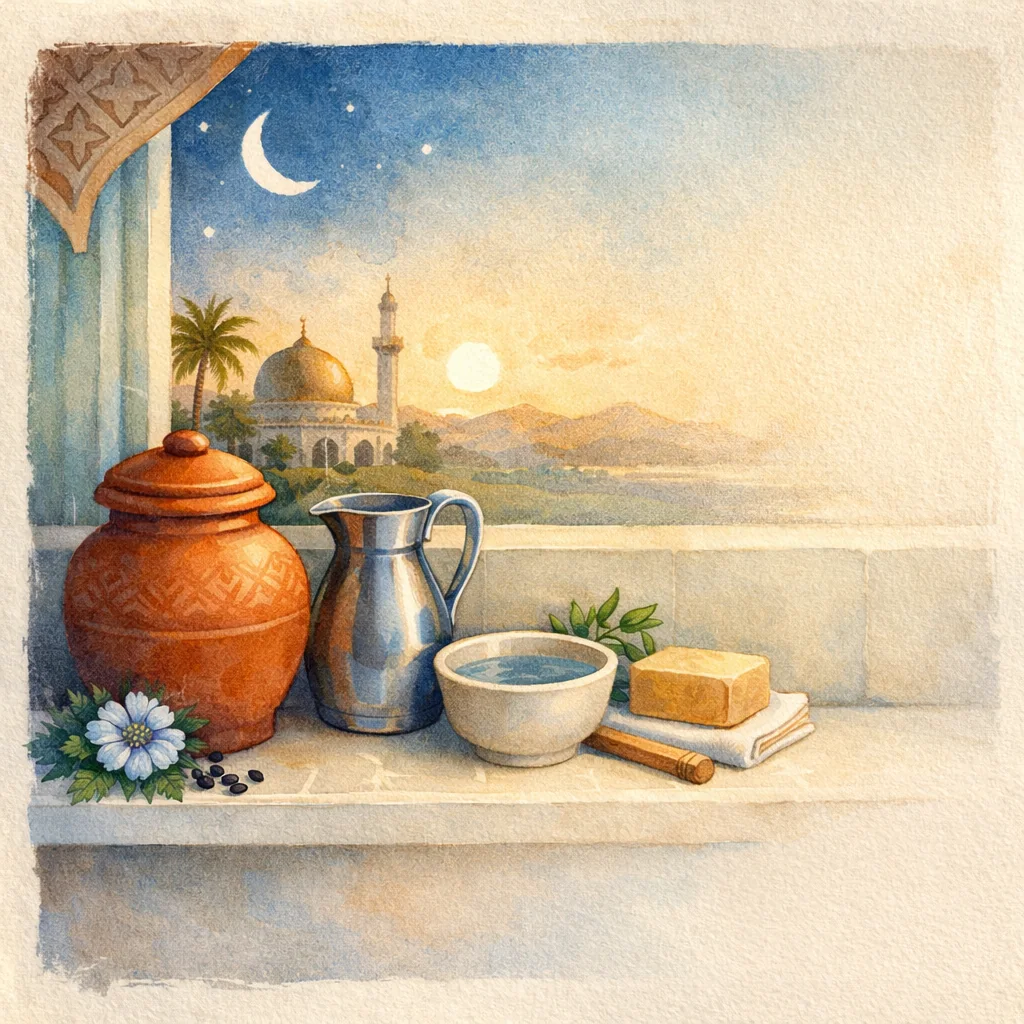
- Keep it covered. Use a clean lid on every water pot and jug.
- Pour, do not dip. Use a clean jug or a tap. Do not put hands or cups into the stored water.
- Wash the container. Scrub the inside of the pot and rinse it regularly.
- Keep it high and away. Store water off the floor, away from drains and rubbish.
- Treat it if your water is not known to be safe. Follow the advice of Bangladesh health authorities on treating drinking water, and ask your doctor if you are unsure.
A covered container helps in another way too. Mosquitoes that spread dengue cannot breed in it. You can read more in our guide on stopping mosquito breeding at home.
#What about food in winter?
WHO says food prepared or stored in unhygienic conditions is a major cause of diarrhoea. Cooler weather can make us careless, because food seems to stay fresh longer. Do not rely on that.
- Wash fruit and vegetables well before eating or cooking.
- Keep raw and cooked food apart, with separate boards and knives.
- Cook food thoroughly and eat it while it is hot.
- Cover leftovers and keep them in a cool place. Do not leave food out for hours.
- Wash feeding bottles, cups and plates with clean water and soap.
#What should you do if a child has diarrhoea?
Diarrhoea is loose, watery stool. The main danger is dehydration, which means the body loses too much water and salt. WHO says oral rehydration solution (ORS) is the treatment for diarrhoea. It replaces the water and salts that are lost.
A child specialist can examine your child, check for dehydration and tell you what to do at home. You can also read our guide on fever in children.
#Which small household habits are easy to forget?
Some gaps hide in plain sight. Check them once a week, on the same day you check your water pots.
- Keep a bar of soap or a soap dispenser at every place where hands are washed, so that soap is never missing.
- Clean the tap, the pot lid and the jug handle, because many hands touch them.
- Keep children's toys and play areas clean, especially for the youngest ones who put things in their mouths.
- Dispose of waste properly and keep the bin covered.
- Remind guests and older children of the same habits, kindly and without fuss.
#What to do next
Pick one habit to start today, for example a lid on every water pot and soap by the tap. Then add one more each week. Small habits done by the whole family protect children best.
If your child has loose stool and seems unwell, please do not delay. Salamah Care in Mohammadpur, Dhaka, can help you reach child specialist doctors and consultants. Contact us or call 01327-808822 to book an appointment. While your family is with us, you can also ask about our dental care for children.
Frequently asked questions
Why should drinking water pots be covered?
WHO says covering water storage containers can reduce faecal contamination of water at home. A lid also keeps mosquitoes from breeding in the pot.
When should children wash their hands with soap?
After the toilet, before eating, before food is prepared, after touching raw food and after coming home. WHO lists hand washing with soap as a key way to prevent diarrhoea.
When should a child with diarrhoea see a doctor?
See a doctor the same day if there is vomiting that does not stop, refusal to drink, very little urine, blood in the stool, high fever or unusual weakness. Ask the doctor how to give oral rehydration solution.
Is this advice about a new outbreak?
No. These are steady household habits that protect children all year, and they matter more in the cooler months.
Sources & further reading
Medical disclaimer. This article is for general information and does not replace advice from a qualified doctor. If you have symptoms, pain or a health concern, please see a clinician. In an emergency call 999.
Need child specialist consultation in Dhaka?
Talk to the Salamah Care team in Mohammadpur. We will listen, explain your options clearly and guide you to the right care.