
In this article
If you are booking hijama, one practical question comes first: what should you eat, drink and tell the practitioner before you go? This page is a simple guide to hijama preparation. It covers the meal before, the water, the medicines you must mention and what is best left for another day. It comes from the Salamah Care Clinical Team in Mohammadpur, Dhaka.
#What should you eat before hijama?
There is no medical guideline that sets a fixed meal or a fixed fasting time before hijama. The advice you will hear comes from practitioners, and it differs from place to place. The honest answer is this: ask the practitioner who will treat you, and follow it.
What most people find sensible is simple:
- Have a light meal. Do not come very hungry, and do not come after a heavy meal.
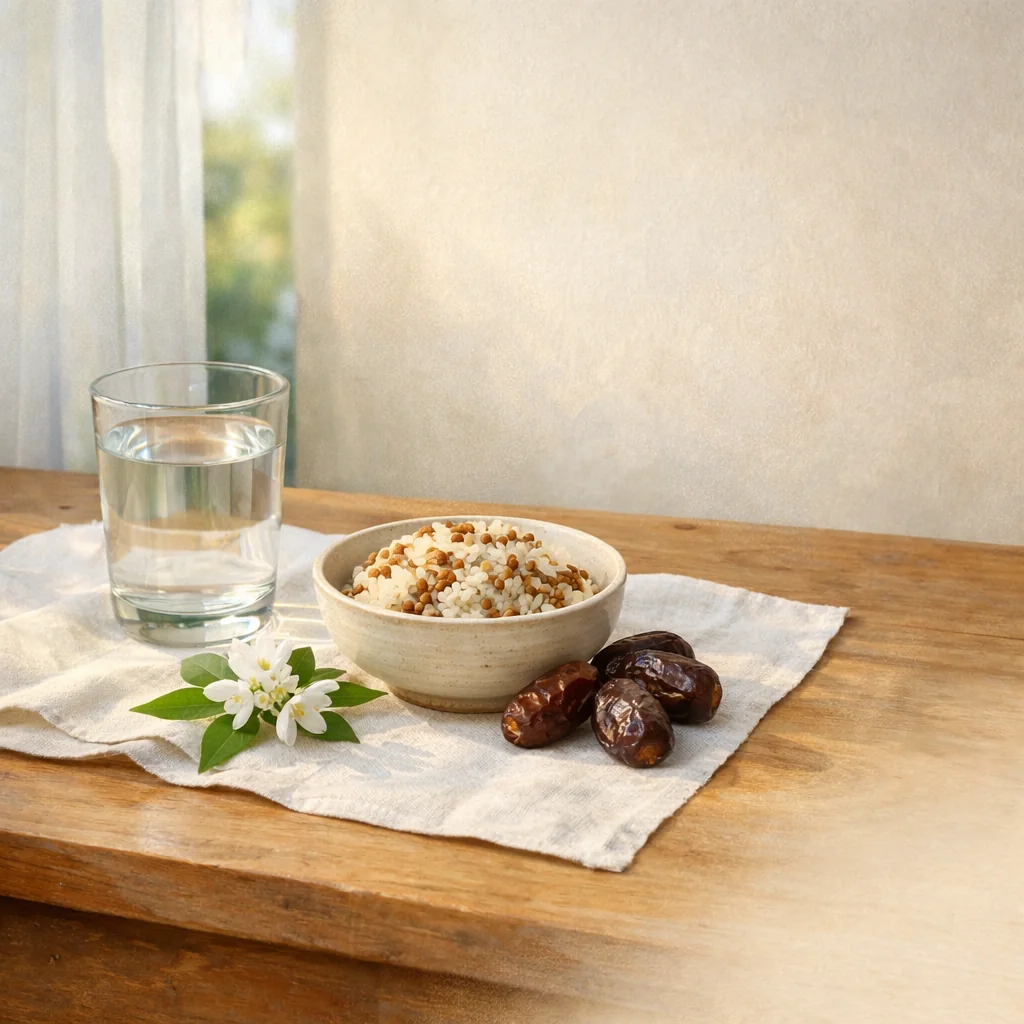
- Choose plain food. Rice, lentils, vegetables and fruit are fine. Very oily or very spicy food may leave you uncomfortable while you lie down.
- Eat on time. People who skip meals may feel dizzy when the session starts.
- Keep your usual routine if you have diabetes. Skipping food or changing your routine can make blood sugar fall. Ask your doctor how to plan the day, and tell the practitioner you have diabetes.
This is the hijama diet before a session in one line: a light, ordinary meal, not an empty stomach and not a full one.
#How much water should you drink?
Drink water as you normally would through the day, so you do not arrive thirsty. You do not need to drink a large amount at once. Too much water just before lying down only makes you restless.
If you have been told by a doctor to limit fluids, for example with a heart or kidney problem, follow your doctor's advice and say so at the consultation.
#Which medicines and health problems must you mention?
Write a short list before you leave home. Bring it with you. The practitioner should ask about all of these:
- blood-thinning medicines, aspirin and any bleeding problem,
- diabetes, blood pressure, heart, kidney or liver illness,
- skin problems, allergies and past reactions,
- a recent fever, infection or surgery,
- any blood-borne infection, or if you are unsure of your status.
Some of these may mean hijama is not suitable, or that your doctor should agree first. Wet hijama makes small cuts in the skin, so bleeding matters. That is why this list comes before everything else.
The US National Center for Complementary and Integrative Health says cupping can cause skin marks, bruising and, rarely, infection, and that research on its benefits is limited. See NCCIH on cupping. Hijama does not cure any disease and does not replace medical care.
#What is best avoided before the session?
- Do not come when you feel unwell. Postpone it if you have a fever or a skin infection.
- Do not skip your regular medicine to "make it safe". Ask your doctor first.
- Do not come rushed. Leave early so that you can sit, breathe and ask questions.
- Do not agree to a place you have doubts about. Ask whether every blade is new and single-use. Our hijama safety checklist lists what to ask.
#How early should you arrive, and what should you bring?
Arrive a little early. A calm start helps you answer questions clearly. Bring your list of medicines and conditions, any recent medical reports, and your questions about the method, the equipment and the aftercare. Wear loose clothing that is easy to adjust. If you are nervous, say so. A good practitioner slows down and explains each step before starting.
#What about food and drink after the session?
Rest for a short while and sip water before you leave. Follow the aftercare advice your practitioner gives you. Keep the area clean. If you see spreading redness, pus, a fever, or bleeding that will not stop, contact a doctor the same day. If it is heavy, call 999.
#What to do next
If you want to book, call 01327-808822 or use our contact page. We will explain the steps, answer your questions and tell you if a doctor should see you first. You can read about the service on our hijama therapy page. For the session itself, see what to expect at your first session.
Frequently asked questions
What to eat before hijama?
A light, ordinary meal is what most people find sensible. Avoid coming very hungry or very full. No medical guideline sets a fixed meal, so ask your practitioner.
Do I need to fast before hijama?
There is no medical guideline that sets a fasting time, and practitioners differ. Ask the practitioner. If you have diabetes, ask your doctor first, because skipping food can lower blood sugar.
Should I stop my medicine before hijama?
No. Never stop or change a medicine on your own. Tell the practitioner about every medicine, especially blood thinners, and ask your doctor whether hijama is suitable.
Is there a hijama diet I must follow?
No proven special diet exists. Eat plain, regular meals, drink water as usual and follow your practitioner's aftercare advice.
Sources & further reading
Medical disclaimer. This article is for general information and does not replace advice from a qualified doctor. If you have symptoms, pain or a health concern, please see a clinician. In an emergency call 999.
Need hijama (cupping) therapy in Dhaka?
Talk to the Salamah Care team in Mohammadpur. We will listen, explain your options clearly and guide you to the right care.