

In this article
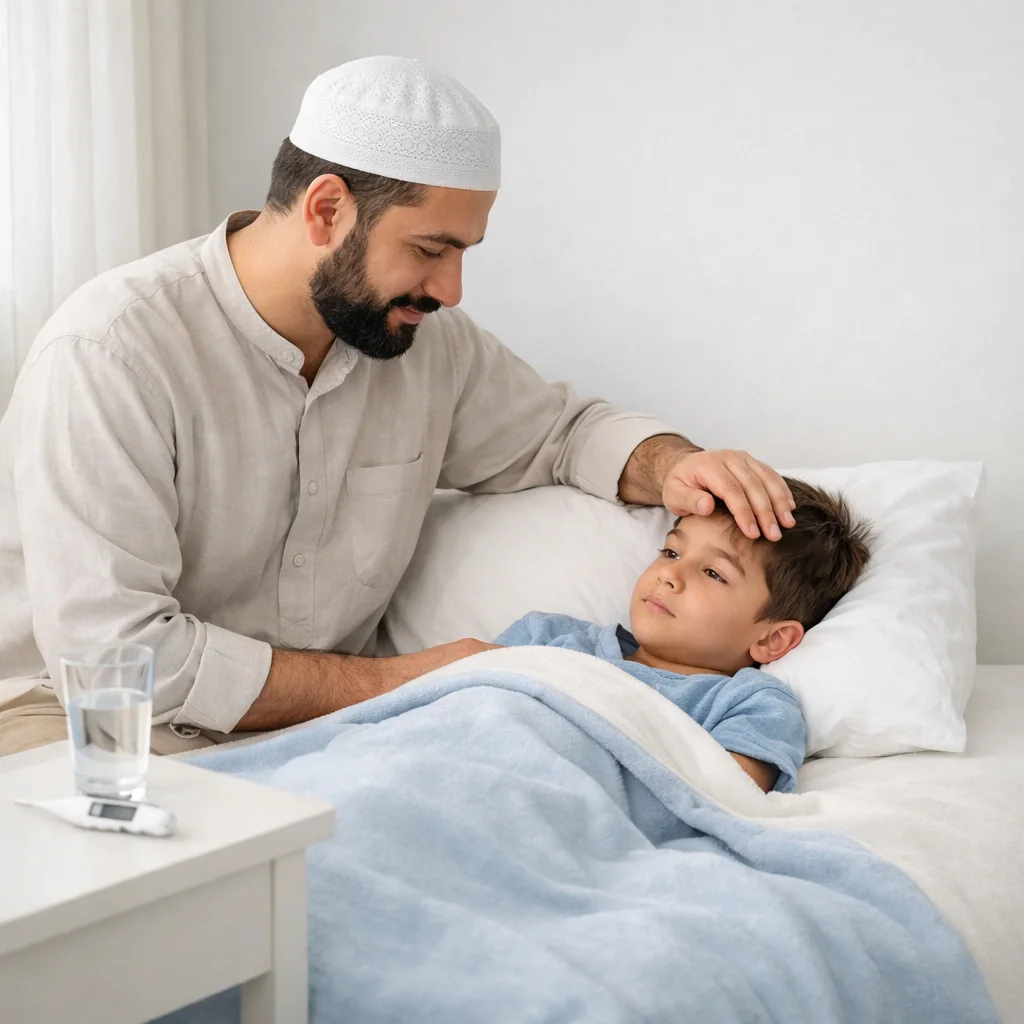
When your little one's forehead feels hot in the middle of the night, it is natural to worry. Fever is one of the most common reasons parents in Dhaka call a doctor, and also one of the most misunderstood. The good news is that most fevers in children are the body doing its job, and most settle with simple care. The key is knowing what to do at home and which signs mean you should not wait.
This guide from the Salamah Care Clinical Team in Mohammadpur explains both, in plain words.
#What counts as a fever, and is it dangerous?
A fever is usually a body temperature of 38°C or higher. It is not an illness by itself. It is a sign that the body is fighting something, most often a common virus. How your child looks and behaves matters more than the number on the thermometer. A child with a high reading who is drinking and playing between fevers is often less worrying than a very sleepy, limp child with a lower reading.
Young children catch infections often, especially when they start nursery or school and mix with other children. In Bangladesh, seasonal changes and crowded places also help germs spread. Frequent handwashing with soap, and keeping a sick child at home until the fever has gone, help protect other families.
Fever medicines can make a child more comfortable, but they do not treat the cause, and a child does not always need them.
#How can you care for your child at home?
If your child is alert, drinking and comfortable enough to rest, home care is usually enough:
- Offer fluids often. Small, frequent sips of water or any drink your child normally takes. Keep feeding as usual.
- Dress lightly. One light layer is enough. Too many blankets can raise the temperature.
- Let your child rest, but do not worry if they want to play a little.
- Keep the room comfortable, with good airflow and not too hot.
- Check on your child regularly, including during the night.
#Which medicines are safe, and what should you avoid?
Ask your child specialist which fever medicine, and how much of it, suits your child's age and weight. Never guess a dose, and never give two different fever medicines together unless a doctor has told you to. Do not give aspirin to children.
Some old habits do not help. Sponging with cold water does not lower a fever in a useful way, and it can make a child shiver and feel worse. Rubbing the skin with ice is not advised either. Antibiotics only work on bacterial infections, so ask a doctor before using any that are left over at home.
#What danger signs mean you should see a doctor today?
Contact a doctor promptly, or go to an emergency department, if you notice any of these:
- Any fever in a baby under 3 months old. Do not wait.
- A temperature that rises above 40°C more than once, at any age.
- Fast or difficult breathing, or a blue or very pale colour.
- A fit (convulsion), or a child who is very drowsy, floppy or hard to wake.
- A rash that does not fade when you press a clear glass against it.
- Signs of dehydration: very little urine, a dry mouth, no tears when crying, or refusing all drinks.
- Severe headache, a stiff neck, or crying that cannot be soothed.
- A fever that keeps going for several days, or one that improves and then returns.
- Any time you feel something is wrong. A parent's instinct is a good reason to ask for help.
#When should you see a child specialist?
Even without danger signs, it is wise to have a child specialist look at your child if the fever is not clearly improving, if you are unsure what is causing it, or if your child has a long-term health condition. A specialist can examine your child, find the likely cause and tell you exactly what to watch for. Regular check-ups also help. A healthy routine for the whole family can start with children's dental care and regular dental visits.
#What to do next
If your child has a fever and you would like a child specialist's advice, contact Salamah Care at 01327-808822 or book an appointment. Our team in Mohammadpur, Dhaka, can guide you on the next step. Share this page with other family members and caregivers too, so everyone at home knows the same simple steps. In an emergency, go to the nearest hospital emergency department straight away.
Frequently asked questions
At what temperature should I worry about my child's fever?
A fever is usually 38°C or higher. How your child looks matters more than the number, but call a doctor at once for any fever in a baby under 3 months, or if the temperature goes above 40°C more than once.
Should I give a fever medicine every time?
Not always. These medicines help comfort but do not treat the cause. Ask your child specialist which medicine and dose suit your child's age and weight, and never give aspirin.
Does sponging with cold water bring a fever down?
It does not lower a fever in a useful way and can make your child shiver and feel worse. Light clothing, fluids and rest are better.
Sources & further reading
Medical disclaimer. This article is for general information and does not replace advice from a qualified doctor. If you have symptoms, pain or a health concern, please see a clinician. In an emergency call 999.
Need child specialist consultation in Dhaka?
Talk to the Salamah Care team in Mohammadpur. We will listen, explain your options clearly and guide you to the right care.